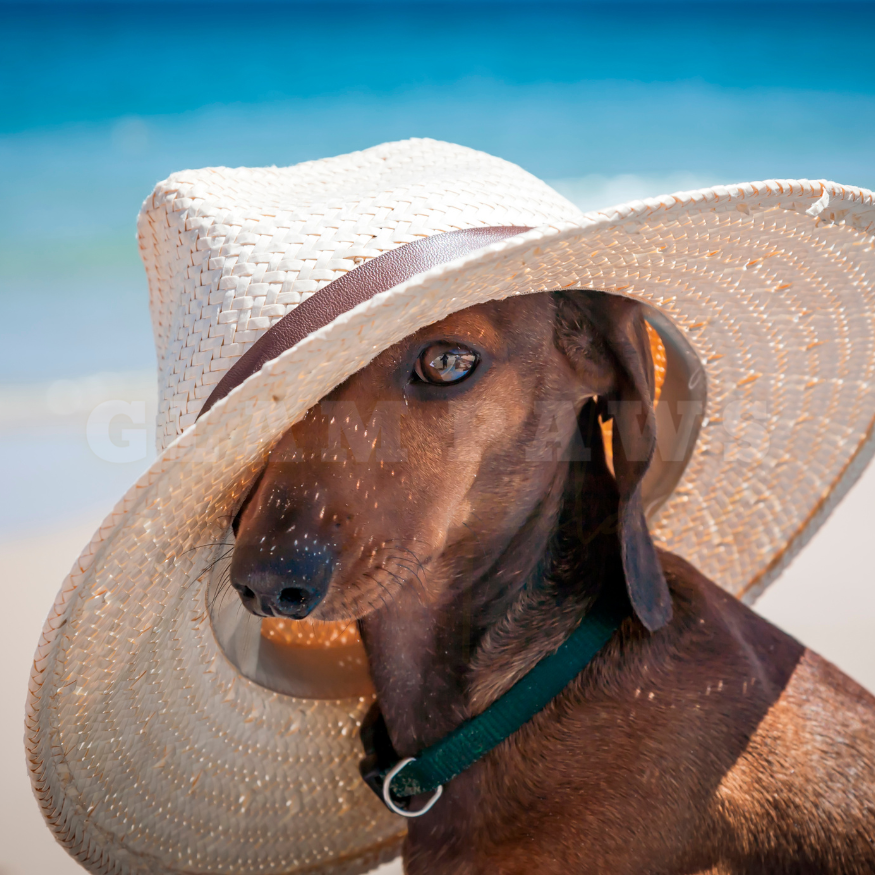
The Impact of Poor Nutrition on Dogs During Summer
As summer nears, it’s vital to prioritize your dog’s nutrition to avoid health issues. In this post, we’ll discuss potential problems from poor summer nutrition and offer solutions to keep your pup healthy and happy.
The Risks of Poor Nutrition in Summer:
Dehydration
In hot weather, dogs are more prone to dehydration, especially if they’re not consuming enough water or eating foods with low moisture content.
Heat Exhaustion
Lack of proper nutrients can make dogs more susceptible to heat exhaustion and heatstroke, particularly if they’re overweight or have underlying health conditions.
Digestive Problems
Consuming inappropriate or low-quality foods can lead to digestive issues such as diarrhea, vomiting, and gastrointestinal discomfort, which can be exacerbated by the summer heat.
Skin and Coat Problems
Poor nutrition can affect the health of your dog’s skin and coat, making them more susceptible to sunburn, dryness, and irritation during the summer months.
Solutions and Recommendations:
1. Provide Ample Fresh Water
Ensure your dog has access to clean and fresh water at all times, especially during hot weather. Consider adding ice cubes to their water bowl to encourage hydration.
2. Feed High-Quality Food
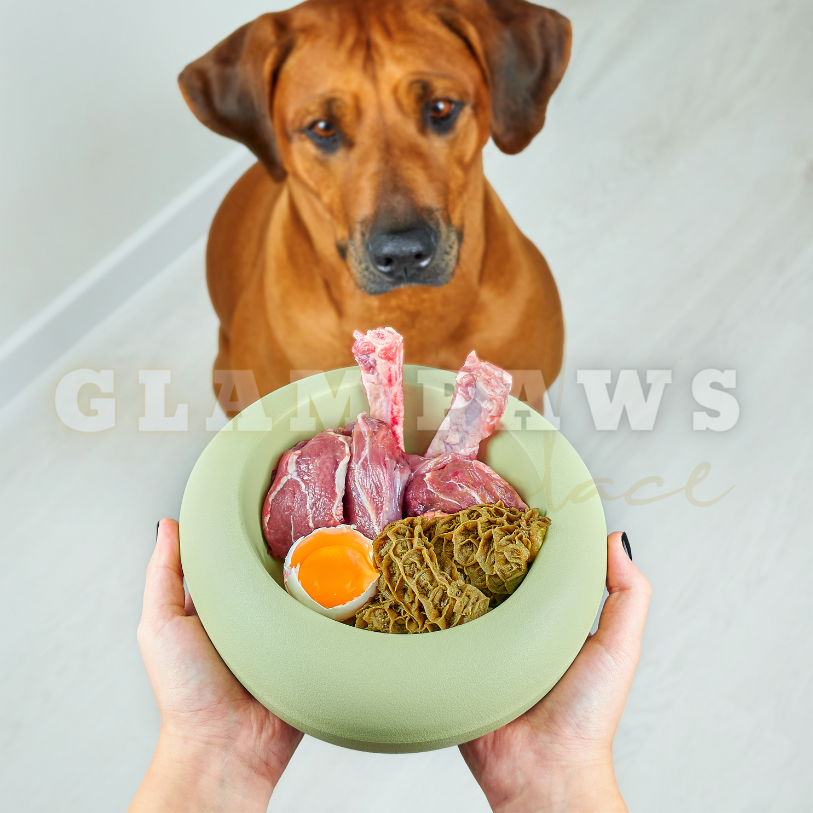
Opt for high-quality dog food that is formulated to meet your dog’s nutritional needs. Look for options with balanced ingredients, including protein, vitamins, and minerals.
3. Offer Moisture-Rich Foods
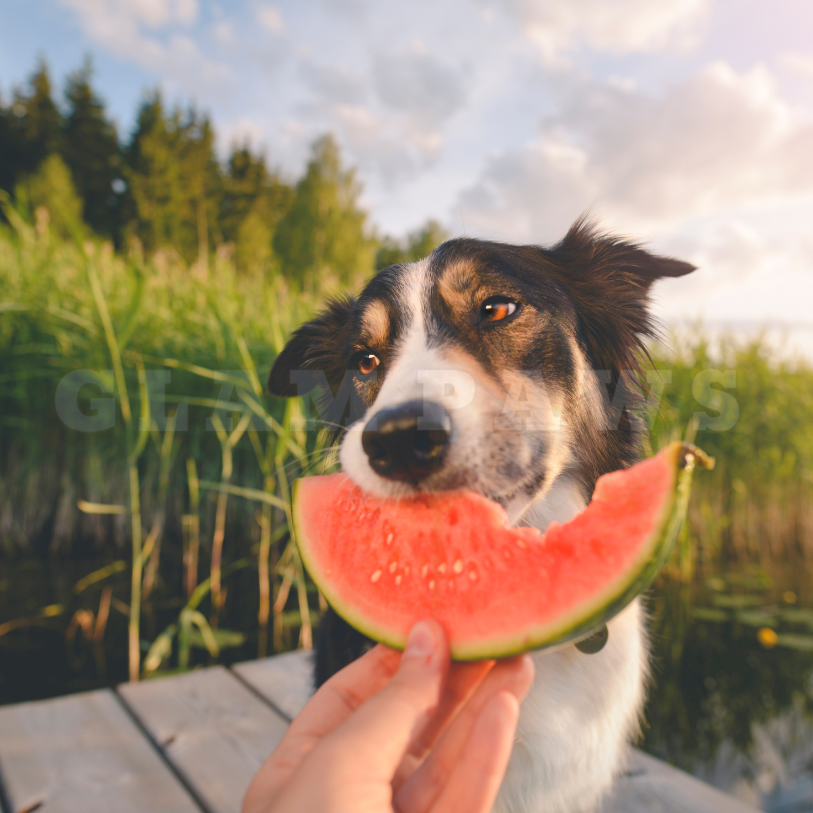
Incorporate moisture-rich foods into your dog’s diet, such as canned food, raw fruits, and vegetables, to help keep them hydrated and support their overall health.
4. Avoid Overfeeding
Be mindful of portion sizes and avoid overfeeding your dog, especially during periods of inactivity or extreme heat. Excess weight can exacerbate heat-related issues and strain your dog’s cardiovascular system.
5. Supplement with Nutritional Supplements
Consider supplementing your dog’s diet with veterinarian-approved nutritional supplements, such as omega-3 fatty acids for skin and coat health or probiotics for digestive support.
6. Monitor for Signs of Heat Stress: Be vigilant for signs of heat stress, including excessive panting, lethargy, drooling, and disorientation. If you notice any symptoms, move your dog to a cooler area immediately and seek veterinary assistance.