🐶 Recognizing and Responding to Heat Stroke in Dogs
As temperatures rise, it’s crucial for pet owners to be vigilant about the risk of heat stroke in their furry companions. Heat stroke, or overheating, can be a life-threatening condition for dogs if not promptly addressed. In this post, we’ll discuss how to recognize the signs of heat stroke in dogs and what actions to take to provide immediate care.
Recognizing the Signs of Heat Stroke:
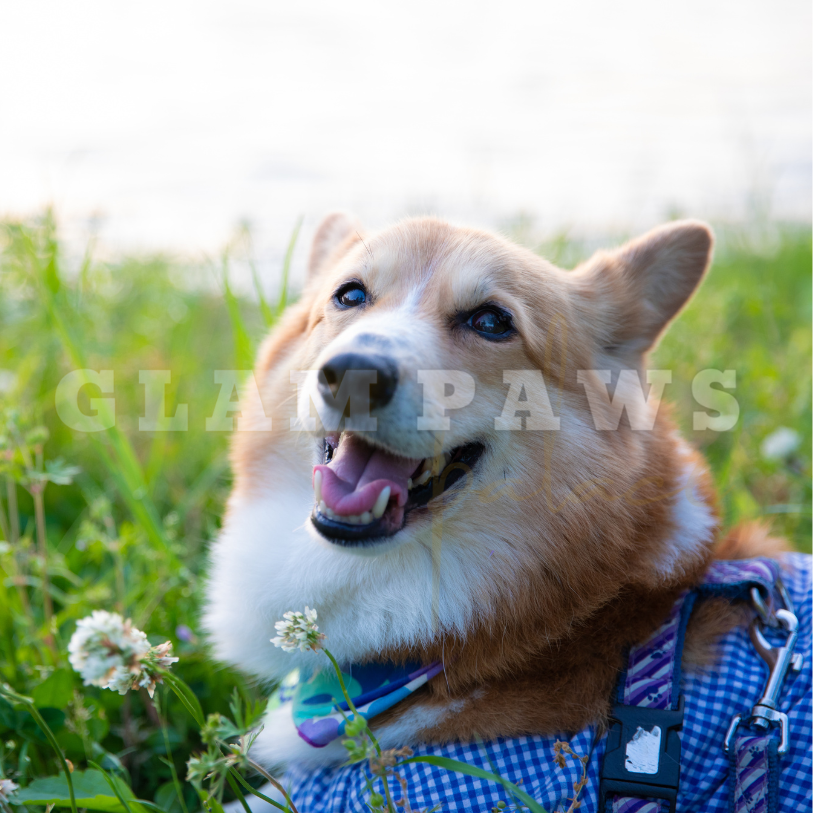
1. Excessive Panting: Dogs regulate their body temperature primarily through panting. If you notice your dog panting heavily and excessively, it could be a sign of heat stroke.
2. Drooling and Salivation: Excessive drooling and thick saliva are common symptoms of heat stroke in dogs. Their body is attempting to cool down, but the excessive drool may become thick and stringy.
3. Rapid Heart Rate: A rapid or irregular heartbeat is another indicator of heat stroke in dogs. You may feel your dog’s heart pounding rapidly when you place your hand on their chest.
4. Lethargy and Weakness: Heat-stressed dogs may appear lethargic, weak, or disoriented. They may struggle to stand or move normally.
5. Bright Red Gums and Tongue: Healthy gums and tongue should be pink. If they appear bright red or even purple, it could indicate heat stroke.


Recognizing the Signs of Heat Stroke:
1. Excessive Panting: Dogs regulate their body temperature primarily through panting. If you notice your dog panting heavily and excessively, it could be a sign of heat stroke.
2. Drooling and Salivation: Excessive drooling and thick saliva are common symptoms of heat stroke in dogs. Their body is attempting to cool down, but the excessive drool may become thick and stringy.
3. Rapid Heart Rate: A rapid or irregular heartbeat is another indicator of heat stroke in dogs. You may feel your dog’s heart pounding rapidly when you place your hand on their chest.
4. Lethargy and Weakness: Heat-stressed dogs may appear lethargic, weak, or disoriented. They may struggle to stand or move normally.
5. Bright Red Gums and Tongue: Healthy gums and tongue should be pink. If they appear bright red or even purple, it could indicate heat stroke.
What to Do If You Suspect Heat Stroke:
1. Move to a Cooler Area: Immediately move your dog to a shaded or air-conditioned area to lower their body temperature.
2. Offer Water: Provide your dog with access to cool, fresh water to drink. Do not force them to drink, but encourage them to take small sips.
3. Cooling Measures: Use cool, wet towels or cloths to gently wet your dog’s fur, especially around the neck, armpits, and groin area. Avoid using ice-cold water, as it can constrict blood vessels and worsen the situation.
4. Fan Air Circulation: Use fans or create airflow with a breeze to help evaporate moisture from your dog’s fur and aid in cooling.
5. Seek Veterinary Care: Even if your dog appears to recover, it’s crucial to seek veterinary attention immediately. Heat stroke can cause internal damage that may not be immediately apparent.
Preventing Heat Stroke:
1. Avoid Midday Exercise: Limit outdoor activities during the hottest part of the day. Opt for walks and playtime during cooler mornings or evenings.
2. Provide Shade and Water: Always ensure your dog has access to shade and plenty of fresh water when outdoors.
3. Never Leave in a Parked Car: Never leave your dog unattended in a parked car, even with the windows cracked. The temperature inside a car can skyrocket within minutes, leading to heat stroke.
4. Watch for Warning Signs: Be attentive to signs of heat stress and take action promptly if you notice any concerning symptoms.
By recognizing the signs of heat stroke and taking swift action, you can help prevent a potentially life-threatening situation for your beloved canine companion. Stay vigilant, especially during hot weather, and prioritize your dog’s safety and well-being at all times.