🐶 My Dog Is Defecating Blood! What Could It Mean and How to Act?
The sight of blood in your dog’s stool can be alarming and distressing for any pet owner. While bloody diarrhea is unsettling, it’s a symptom that can stem from various underlying causes and addressing it promptly is crucial to ensure your pet’s health and well-being. In this blog post, we’ll delve into the potential causes of bloody diarrhea in dogs and provide actionable steps you can take to assist your furry friend.
Potential Causes of Bloody Diarrhea in Dogs:
1. Intestinal Parasites: The presence of intestinal parasites such as giardiasis, intestinal worms, or worms can cause irritation to the intestinal lining, resulting in bloody stools.
2. Bacterial or Viral Infections: Bacterial infections like salmonellosis or parvovirus infection and viral infection like canine parvovirus can lead to bloody diarrhea in dogs.
3. Food Intolerance: Intolerance or allergy to certain foods can trigger an inflammatory reaction in the gastrointestinal tract, accompanied by bloody diarrhea.
4. Gastrointestinal Diseases: Conditions such as ulcerative colitis, inflammatory bowel disease (IBD), or tumors in the gastrointestinal tract can cause rectal bleeding and bloody diarrhea in dogs.

Actions to Take for Bloody Diarrhea:
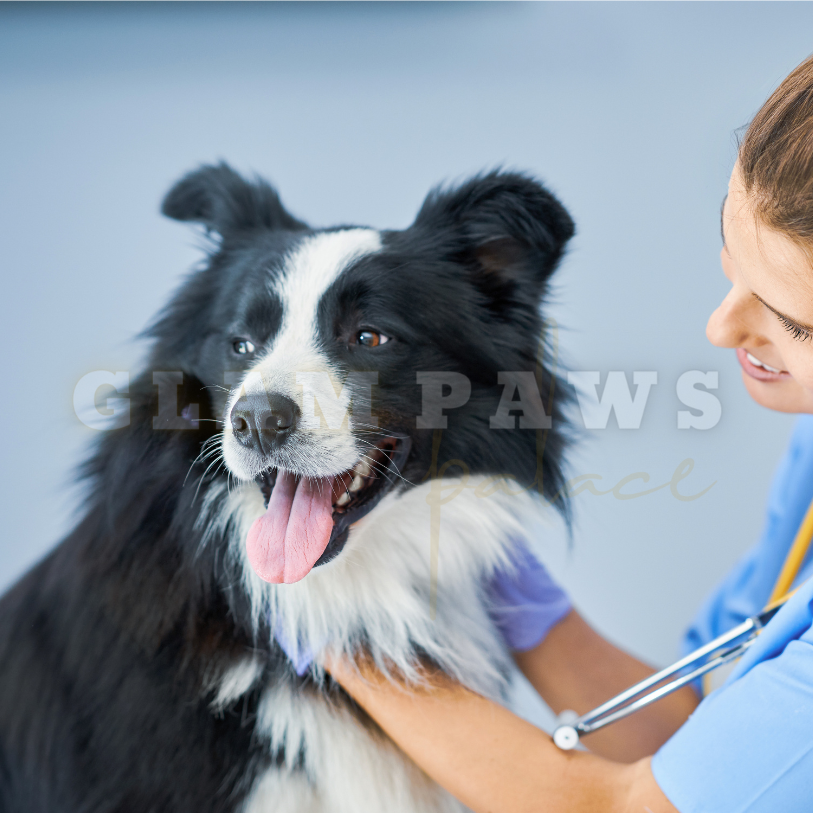
1. Urgent Veterinary Consultation: Upon noticing bloody diarrhea, it’s crucial to take your dog to the veterinarian immediately for accurate diagnosis and appropriate treatment. Prompt medical attention may be crucial for your pet’s recovery.
2. Stool Analysis: The veterinarian may conduct stool analysis to detect the presence of parasites, bacteria, viruses, or other abnormalities that may be causing bloody diarrhea.
3. Medical Treatment: Depending on the underlying cause, treatment may include deworming, antibiotics, fluid therapy, dietary changes, or anti-inflammatory medications.
4. Dietary Evaluation: A dietary change may be required to address potential food allergies or intolerances contributing to bloody diarrhea.
5. Monitoring and Follow-Up: Once treatment has commenced, it’s important to closely monitor your dog and follow the veterinarian’s instructions. Schedule follow-up appointments as needed to assess progression and adjust treatment if necessary.